

Demand for Hypoallergenic False Eyelashes Rises Among Sensitive Eye Groups
Demand for Hypoallergenic False Eyelashes Rises Among Sensitive Eye Groups
Sensitive eyes have long been a barrier to enjoying the beauty of false eyelashes, but a notable shift is underway: demand for hypoallergenic false eyelashes is surging among consumers with delicate eye conditions. This trend reflects a growing awareness of eye safety, evolving consumer priorities, and advancements in lash technology that prioritize gentleness without compromising aesthetics.
For decades, traditional false eyelashes and their adhesives have posed risks to sensitive eye groups. Common irritants include formaldehyde-releasing preservatives in glues, harsh chemical treatments on synthetic fibers, and low-quality dyes—all of which can trigger redness, itching, or even contact dermatitis. A 2023 report by the American Contact Dermatitis Society highlighted that 32% of surveyed false lash users with sensitive eyes reported adverse reactions, often linked to these irritants. This data underscores the unmet need for safer alternatives.

Driving this demand is a new generation of consumers who prioritize ingredient transparency and safety. Today’s buyers—especially millennials and Gen Z—scrutinize product labels, seeking terms like “hypoallergenic,” “dermatologist-tested,” and “fragrance-free.” Social media has amplified this trend: platforms like Instagram and TikTok are flooded with SensitiveEyeLashes , where users share their struggles with traditional lashes and rave about hypoallergenic options. Hashtag engagement for “hypoallergenic false eyelashes” has grown 68% year-over-year, according to social analytics firm Brandwatch.
Behind the scenes, manufacturers are rising to the challenge with innovative solutions. Key advancements include:
1. Gentle Materials: Synthetic fibers are being replaced with natural alternatives like silk or medical-grade PBT (polybutylene terephthalate), which undergo minimal chemical processing. These materials are softer, lighter, and less likely to irritate the ocular surface.
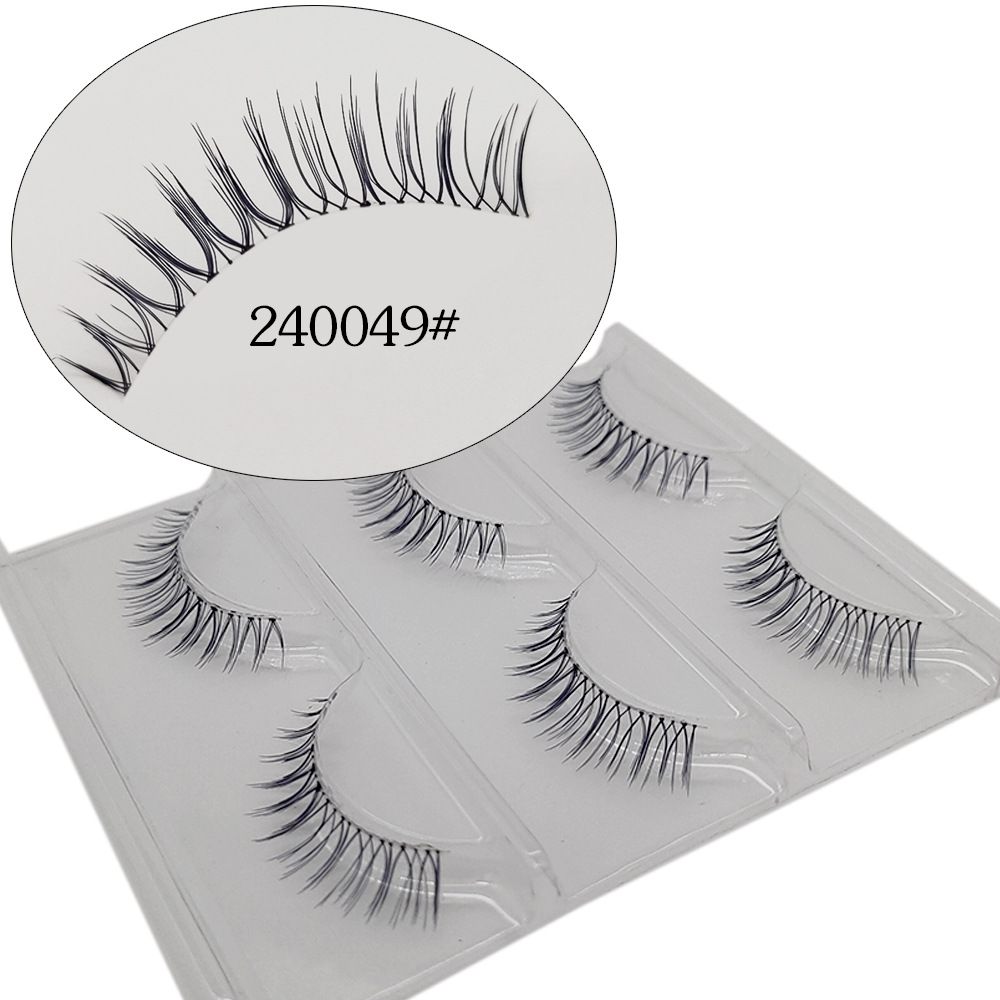
2. Allergy-Free Adhesives: Traditional lash glues, which often contain formaldehyde donors like DMDM hydantoin, are being phased out. New formulas use cyanoacrylate-based adhesives with lower pH levels and added soothing ingredients like aloe vera or chamomile extract, reducing irritation risk.
3. Rigorous Testing: Reputable brands now subject hypoallergenic lashes to third-party dermatological and ophthalmological testing, ensuring they meet strict safety standards. Certifications like the EU’s Cosmetics Regulation (EC 1223/2009) or the FDA’s “hypoallergenic” designation are becoming key selling points.

Market data confirms the impact of these innovations. E-commerce platforms report a 45% increase in sales of hypoallergenic false eyelashes in 2024 compared to 2023, with Amazon’s “Sensitive Eye Lash” category seeing a 52% jump in search volume. Major beauty brands, including Ardell and Eylure, have launched dedicated hypoallergenic lines, while niche players like Velour Lashes and Doe Lashes are gaining traction with “ultra-gentle” offerings.
Looking ahead, the hypoallergenic lash market is poised for further growth. Consumer demand is shifting from “avoiding irritation” to “enhancing comfort,” pushing manufacturers to explore personalized solutions—such as custom-fit lashes or adjustable glue strengths for varying sensitivity levels. Sustainability is also emerging as a factor, with brands experimenting with biodegradable fibers and eco-friendly adhesives to align with eco-conscious buyers.
For sensitive eye groups, this trend is more than a beauty upgrade—it’s a step toward inclusive self-expression. As technology continues to advance, hypoallergenic false eyelashes are no longer a niche product but a mainstream necessity, proving that safety and beauty can coexist.


