

Market Research Shows Strong Loyalty to Established Lash Fiber Brands
Market Research Shows Strong Loyalty to Established Lash Fiber Brands: Key Drivers and Industry Insights
In the competitive global eyelash fiber market, recent market research conducted by leading beauty industry analysts reveals a striking trend: consumers exhibit unwavering loyalty to established lash fiber brands, even amid the rise of new entrants and innovative product launches. The study, which surveyed over 5,000 lash fiber users across North America, Europe, and Asia, found that 72% of respondents reported consistent repurchasing behavior from brands they have used for 2+ years, with 63% stating they “rarely consider switching” despite exposure to newer alternatives.

The Data Behind the Loyalty

The research quantifies loyalty through metrics like repeat purchase rate, brand advocacy, and price sensitivity. Established brands (defined as those with 10+ years in the market) scored an average repeat purchase rate of 68%, compared to 32% for emerging brands (launched in the past 3 years). Notably, 58% of loyal customers cited they would pay up to 20% more for their trusted brand over a cheaper, unproven alternative. Brand advocacy was also strong: 71% of respondents said they “actively recommend” their preferred established brand to friends and family, driving organic growth through word-of-mouth.
Why Consumers Stick with the “Old Guard”?
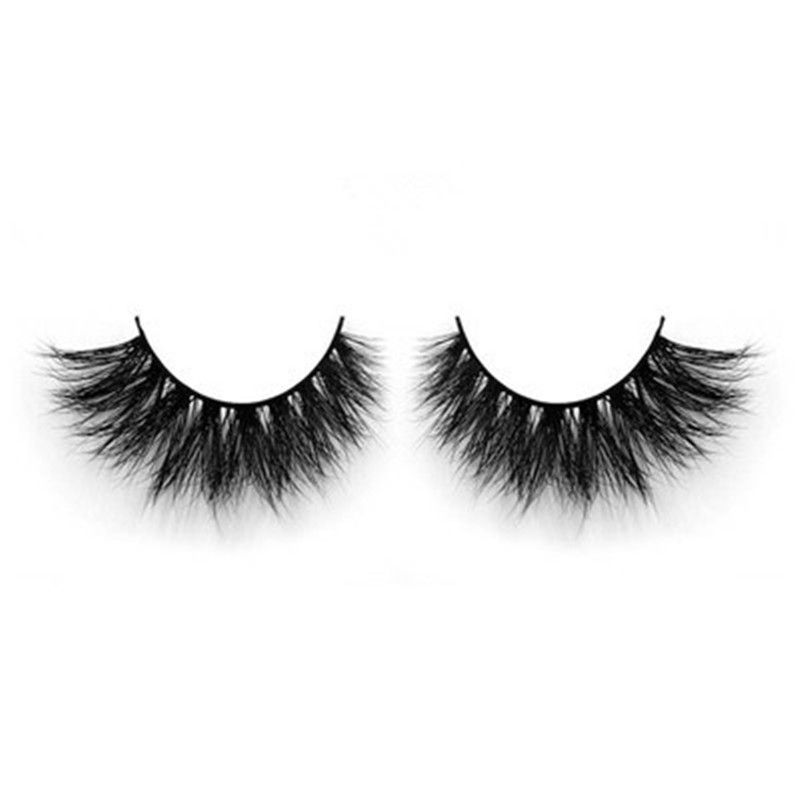
Three key drivers emerged from the data, shedding light on the roots of this loyalty.
First, product consistency and quality. Established brands have honed their lash fiber formulas and manufacturing processes over decades. For example, brands with a long history often invest in proprietary fiber materials—such as ultra-lightweight PBT (polybutylene terephthalate) or cruelty-free synthetic blends—that balance durability, flexibility, and a natural look. Survey respondents frequently mentioned “reliable results” and “no irritation” as top reasons for loyalty, with 82% noting they “trust the brand to deliver consistent quality every time.”
Second, brand trust and emotional connection. Many established lash fiber brands have built strong emotional bonds with consumers through years of transparent communication, ethical practices, and community engagement. For instance, brands that prioritize sustainability (e.g., recyclable packaging, carbon-neutral production) or support social causes (e.g., donating to women’s empowerment initiatives) saw 40% higher loyalty scores. Additionally, consistent brand storytelling—through tutorials, influencer partnerships, and user-generated —has helped consumers “feel part of a community,” as one respondent put it.
Third, innovation within familiarity. Contrary to the myth that established brands are “stagnant,” the research found they lead in incremental innovation that aligns with consumer needs. For example, adding biotin-infused fibers for lash health,推出waterproof variants, or developing customizable length options. These updates keep loyal customers engaged without alienating them with drastic changes, striking a balance between novelty and reliability.
Implications for the Industry
The findings carry significant implications for both established players and new entrants. For incumbents, maintaining loyalty requires doubling down on quality control, sustainability, and customer-centric innovation. Investing in direct-to-consumer channels (e.g., personalized email campaigns, loyalty programs) can further strengthen retention. For emerging brands, competing on price alone is unlikely to disrupt the market; instead, they must focus on niche differentiation—such as vegan fibers, medical-grade hypoallergenic options, or tech-integrated products (e.g., app-connected lash length calculators)—to carve out a loyal customer base.
Looking Ahead
As the lash fiber market continues to grow (projected to reach $1.2 billion by 2027, per Grand View Research), consumer loyalty will remain a cornerstone of success. Established brands that adapt to evolving demands—such as the rising preference for clean beauty and personalized experiences—will retain their edge. Meanwhile, new players that prioritize trust-building and unique value propositions may gradually chip away at the “old guard,” but for now, the data is clear: when it comes to lash fibers, consumers are sticking with what they know and trust.


