

Consumer Awareness of Lash Care Products Increases Significantly
Rising Consumer Awareness Drives Innovation in Lash Care Products
In recent years, the global beauty industry has witnessed a notable shift: consumer awareness of lash care products has surged, reshaping market dynamics and pushing manufacturers to prioritize safety, education, and innovation. This trend, fueled by digital connectivity, health consciousness, and evolving beauty standards, is not just a fleeting fad but a transformative movement that underscores the growing importance of informed beauty choices.
Data from leading market research firms highlights the magnitude of this shift. A 2024 report by Beauty Insights Group reveals that online searches for “lash care routine” have increased by 125% year-over-year, while sales of specialized lash care products—including serums, gentle removers, and nourishing primers—rose by 90% in key markets like the U.S., Europe, and Southeast Asia. Consumer surveys further indicate that 78% of lash extension users now actively research product ingredients before purchasing, a stark contrast to just five years ago when brand loyalty or price were the primary drivers.
Several factors are behind this觉醒 (awakening). First, social media has democratized beauty education. Platforms like TikTok and Instagram, where LashCare has amassed over 60 billion views, feature tutorials from estheticians and KOLs explaining the risks of improper lash care—such as traction alopecia from low-quality extensions or eye irritation from harsh adhesives. These creators emphasize the need for gentle products and consistent maintenance, empowering consumers to ask critical questions: What’s in my lash glue? How do I protect my natural lashes?

Second, post-pandemic health consciousness has elevated the demand for “clean beauty” in lash care. Consumers are increasingly wary of chemicals like formaldehyde releasers, parabens, and synthetic fragrances, which can cause allergic reactions or long-term lash damage. This has led to a spike in interest in products labeled “hypoallergenic,” “dermatologist-tested,” or “organic,” with 65% of buyers prioritizing these claims, according to a 2023 consumer behavior study by LashTech Analytics.
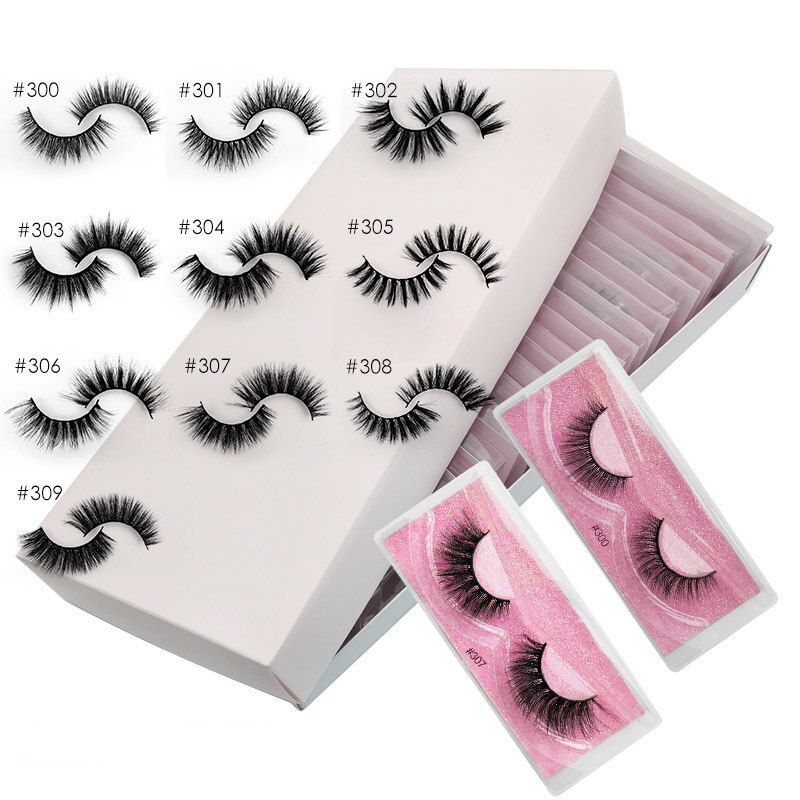
Third, brands and manufacturers have stepped up their educational efforts. Forward-thinking companies now include detailed care guides with their products, host webinars on proper application, and transparently list ingredients on packaging and websites. This proactive approach not only builds trust but also aligns with consumers’ desire for accountability—a key factor in retaining loyalty.
For lash product manufacturers, this shift presents both challenges and opportunities. To stay competitive, brands must move beyond aesthetics and focus on three pillars: safety, efficacy, and education. At our facility, for instance, we’ve invested in研发 (R&D) to develop lash丝 (lash fibers) made from medical-grade PBT (polybutylene terephthalate), a material known for its softness, durability, and hypoallergenic properties. Unlike traditional nylon fibers, PBT reduces friction on natural lashes, minimizing breakage during wear.
We’ve also reformulated our adhesives to exclude formaldehyde donors, replacing them with plant-based alternatives that offer strong hold without irritation. Additionally, we’ve expanded our product line to include lash serums infused with biotin and panthenol—ingredients proven to nourish hair follicles—and gentle, oil-based removers that dissolve glue without pulling.
Beyond product innovation, education remains central. We’ve partnered with beauty schools to train stylists on proper lash health practices and launched a consumer blog that debunks myths (e.g., “extensions always damage lashes”) and shares tips for at-home care. By positioning ourselves as a trusted resource, we’ve seen a 40% increase in repeat customers who value both our products and our commitment to their lash health.
Looking ahead, consumer awareness of lash care is poised to grow further. As Gen Z and millennial consumers—who prioritize transparency and wellness—dominate the market, brands that fail to adapt risk obsolescence. The future of lash care lies in a balance of artistry and science: creating products that enhance beauty and protect the delicate eye area, while empowering consumers with the knowledge to make informed choices.
In this evolving landscape, awareness isn’t just a trend—it’s a catalyst for a healthier, more responsible beauty industry.


