

Cross-Cultural Design Adaptations Boost Lash Sales in Global Markets
Cross-Cultural Design Adaptations Boost Lash Sales in Global Markets
The global false lash market is experiencing unprecedented growth, with Statista projecting a CAGR of 6.8% from 2023 to 2028. Behind this surge lies a critical strategy: cross-cultural design adaptations. As beauty standards vary dramatically across regions, lash manufacturers that tailor products to local preferences are gaining a competitive edge, driving sales and brand loyalty in diverse markets.
Understanding Cultural Nuances in Lash Preferences
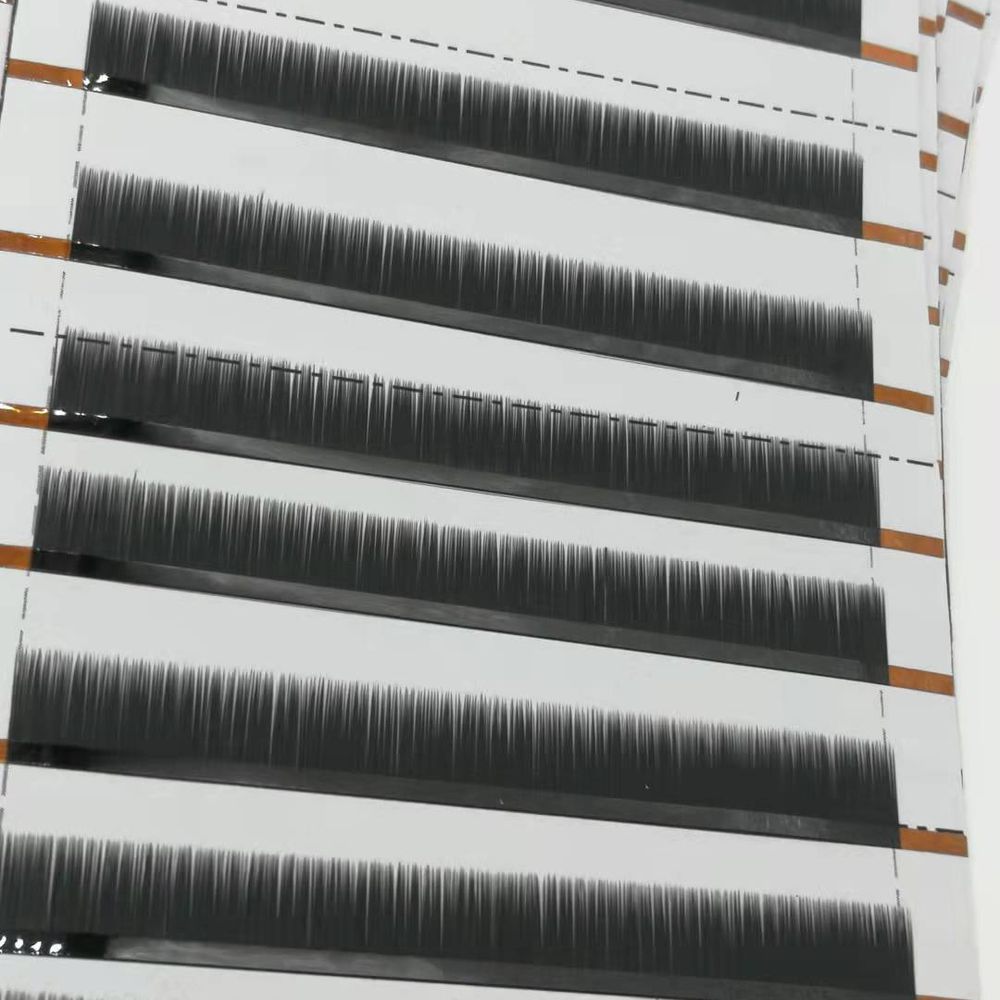
Cultural aesthetics shape lash demands in profound ways. In East Asia, for instance, the "natural beauty" trend dominates. Consumers in Japan and South Korea favor ultra-fine, wispy lashes with subtle length—often 8-12mm—to enhance eye shape without appearing artificial. This preference stems from cultural values emphasizing modesty and understated elegance. In contrast, Western markets, including the U.S. and Europe, lean into bold, voluminous styles. Here, 14-18mm lashes with thick, crisscrossed fibers are popular, aligning with Hollywood glamour and social media-driven "dramatic eye" trends.
The Middle East presents another unique landscape. With a focus on opulence and cultural identity, Middle Eastern consumers often seek lashes with added flair: metallic accents, jewel-encrusted bands, or deep black hues to complement traditional kohl-lined eyes. Lengths here tend to be longer (16-20mm), but the emphasis is on lushness rather than the "spiky" look favored in the West. Meanwhile, in Latin America, vibrant colors and curly textures are in demand, reflecting the region’s lively cultural spirit—think neon pink lash tips or tight, bouncy curls that frame the eyes dynamically.
Technical Innovations Enabling Cultural Adaptation

Meeting these diverse needs requires agile production technologies. Leading manufacturers are investing in three key areas:

1. Material Customization: Different regions prioritize distinct lash materials. East Asian markets often prefer lightweight PBT fibers for their natural feel, while Western consumers opt for synthetic mink or silk blends for added volume. Middle Eastern clients may request hypoallergenic adhesives and durable, heat-resistant fibers to withstand high temperatures.
2. Modular Production Lines: Flexible manufacturing systems allow for quick design tweaks. For example, a factory can switch from producing 10mm natural lashes for Tokyo to 18mm beaded lashes for Dubai within 48 hours, thanks to interchangeable molds and automated fiber-cutting machines. This agility reduces lead times, a critical factor in fast-paced global beauty markets.
3. Data-Driven Design: Brands are leveraging consumer insights to refine offerings. AI tools analyze social media trends, local beauty influencers, and sales data to identify emerging preferences—such as the rise of "fox-eye" lash styles in Southeast Asia or the demand for eco-friendly, biodegradable lash bands in Europe. This data informs everything from fiber thickness to band flexibility.
Sales Impact: Case Studies in Cultural Adaptation
The results of these strategies are tangible. A leading lash manufacturer reported a 35% sales increase in South Korea after launching a "Nude Lash" line with 0.03mm ultra-thin fibers and invisible bands. In Saudi Arabia, their "Royal Glow" collection—featuring gold-threaded bands and diamond-shaped accents—became a bestseller, capturing 22% of the premium lash market within six months.
In the U.S., a brand’s "Red Carpet Volume" range, designed with crimped fibers and extended outer corners, saw a 50% boost in sales after partnering with Latinx beauty influencers to promote bold, festival-ready styles. These examples underscore a clear trend: cultural relevance drives market penetration.
Future Trends: Hyper-Localization and Inclusivity
As global markets become more fragmented, the next frontier is hyper-localization. Manufacturers are moving beyond broad regional categories to target niche groups—such as Indigenous communities in Australia seeking lashes that complement traditional face paint, or Gen Z in Brazil demanding sustainable, cruelty-free options with vibrant, temporary color gradients.
Inclusivity is also key. Brands are expanding size ranges to fit diverse eye shapes, from almond to hooded, and offering multilingual packaging with culturally resonant imagery—think cherry blossoms for Japan, marigolds for India, or cacti for Mexico.
Conclusion
Cross-cultural design adaptations are no longer optional in the global lash industry—they are a necessity. By combining cultural empathy with technical flexibility, manufacturers can turn regional differences into opportunities, driving sales growth while building meaningful connections with consumers worldwide. As beauty becomes increasingly personal and culturally specific, the brands that listen, adapt, and innovate will lead the next wave of market expansion


