

Small Lash Brands Gain Market Share via Personalized Customization Services
Small Lash Brands Gain Market Share via Personalized Customization Services
In the highly competitive false eyelash industry, dominated by established giants with massive marketing budgets and global distribution networks, small lash brands are carving out a niche—and gaining significant market share—by doubling down on personalized customization services. This shift reflects a broader consumer trend: modern buyers, especially Gen Z and millennials, crave products that align with their unique identities, preferences, and even facial features, moving beyond one-size-fits-all beauty solutions.
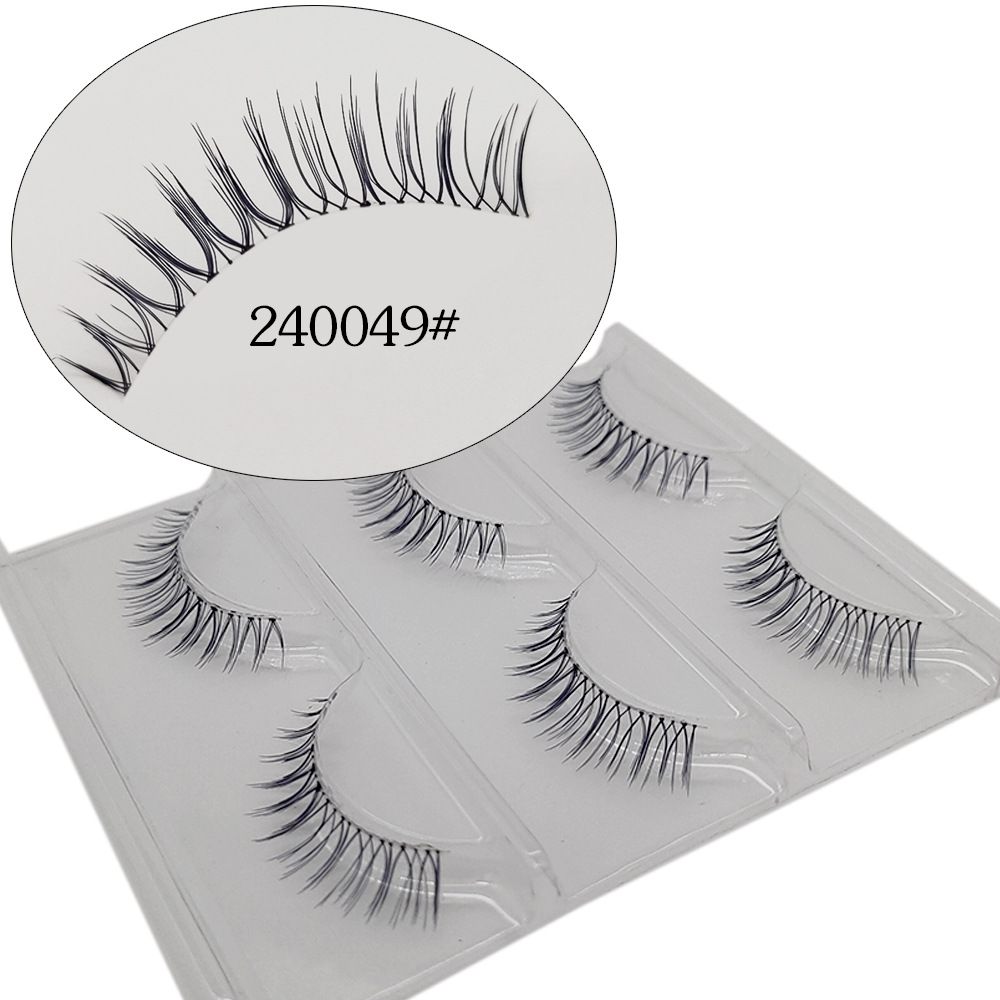
Traditional lash brands often prioritize mass production, focusing on standard styles (e.g., "natural," "cat-eye," "voluminous") to maximize efficiency and lower costs. While this approach works for reaching a broad audience, it overlooks the diversity of consumer needs. A 2024 report by Grand View Research notes that 68% of beauty consumers are willing to pay 15-20% more for products tailored to their specific requirements, a statistic small lash brands are leveraging to disrupt the market.
Personalized customization in the lash sector encompasses far more than just choosing lash length or curl. Today’s small brands are offering hyper-specific options: custom sizing based on eye shape (almond, round, hooded, or monolidded), material preferences (synthetic, mink, silk, or vegan fibers), color matching (natural black, brown, or even pastel hues for bold looks), and even adhesive compatibility for sensitive skin. Some brands go a step further, using AI tools or virtual try-on apps that allow customers to upload photos of their eyes, receive personalized style recommendations, and preview how the lashes will look before purchasing.
Take LashArtisan, a startup founded in 2022, as an example. The brand initially struggled to compete with larger players until it launched its "Your Lash, Your Way" service. Customers fill out a detailed questionnaire about their eye shape, daily makeup habits, and desired look; LashArtisan’s team then crafts a unique lash design, produces a small batch (as few as 10 pairs), and ships within 7-10 days. Within a year, the brand’s revenue grew by 180%, with 92% of customers returning for repeat orders—a loyalty rate far above the industry average of 45%.
What gives small brands an edge here is agility. Unlike large corporations, which face bureaucratic hurdles and long production cycles, small lash brands can quickly adapt to customer feedback. They often operate with lean supply chains, partnering with local manufacturers or using on-demand production technologies like 3D printing for lash trays, reducing waste and enabling small-batch customization without exorbitant costs. Social media amplifies this advantage: platforms like Instagram and TikTok allow these brands to showcase customer testimonials, behind-the-scenes customization processes, and user-generated (UGC) of clients wearing their unique lashes, building a community around authenticity and personalization.
Of course, challenges exist. Customization requires investing in customer data management, skilled design teams, and flexible manufacturing—barriers that can deter some small businesses. However, many are overcoming this by focusing on a niche audience (e.g., lash artists, drag performers, or consumers with hard-to-fit eye shapes) rather than trying to appeal to everyone. By becoming experts in a specific segment, they deliver superior value and build a loyal customer base that larger brands, with their broad focus, struggle to replicate.
Looking ahead, the trend shows no signs of slowing. As consumers increasingly seek products that feel "made for me," small lash brands that prioritize personalization will continue to gain ground. They are not just selling lashes—they are selling a personalized beauty experience, one that makes customers feel seen and valued. In an industry often criticized for homogeneity, this focus on individuality is proving to be a powerful strategy for growth.


