

Multinational Beauty Groups Acquire Emerging False Eyelash Brands
Multinational Beauty Groups Acquire Emerging False Eyelash Brands: Trends, Drivers, and Market Impacts
The global false eyelash market is experiencing unprecedented growth, with Grand View Research projecting it to reach $2.7 billion by 2030, growing at a CAGR of 6.8%. Behind this surge lies a notable trend: multinational beauty groups are increasingly acquiring emerging false eyelash brands to secure their position in this high-potential segment.
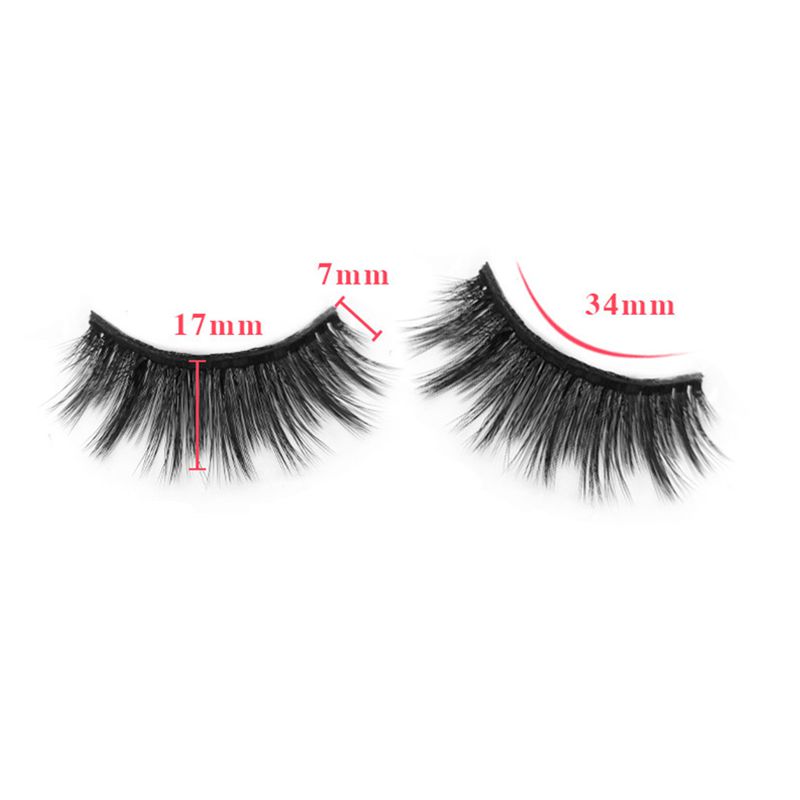
Emerging false eyelash brands, often born from social media and direct-to-consumer (DTC) models, have disrupted the market with innovation, agility, and a deep understanding of Gen Z and millennial preferences. Brands like Japan’s “Lashify” (known for DIY lash extensions) and South Korea’s “Pinky Paradise” (specializing in natural, cruelty-free designs) have gained rapid traction by leveraging TikTok, Instagram, and KOL partnerships to build loyal communities. Their success has caught the eye of industry giants—L’Oréal, Estée Lauder, and Shiseido, to name a few—who are now racing to acquire these nimble players.
Why are multinationals investing heavily in these acquisitions? First, emerging brands excel in product innovation. They lead in sustainable materials (e.g., biodegradable lash fibers), customizable designs (magnetic lashes, reusable options), and inclusive sizing (catering to diverse eye shapes). For legacy groups, acquiring these brands bypasses the time and risk of in-house R&D, allowing them to quickly launch cutting-edge products.
Second, digital-first strategies are a key driver. Emerging brands master data-driven marketing, using social listening tools to spot trends (e.g., “fox-eye” lashes, “wispy natural” styles) and engage consumers in real time. Multinationals, traditionally reliant on brick-and-mortar retail, gain access to these digital ecosystems, helping them connect with younger audiences who prioritize authenticity and online shopping.
Third, niche market penetration. Many emerging brands focus on underserved segments: vegan lashes, medical-grade options for sensitive eyes, or cultural-specific styles (e.g., Korean “aegyo-sal” lashes, Middle Eastern “dramatic volume” designs). Acquiring these brands allows multinationals to diversify their portfolios and tap into regional markets where demand is booming, such as Southeast Asia and Latin America.
The impact of these acquisitions is reshaping the industry. On one hand, it accelerates innovation: legacy groups provide emerging brands with access to global supply chains, regulatory expertise, and distribution networks (e.g., Sephora, Ulta), scaling their reach from niche to mainstream. On the other hand, it raises concerns about market consolidation. Smaller, independent brands may struggle to compete with the resources of multinationals, potentially limiting consumer choice in the long run.
Looking ahead, the acquisition trend is set to intensify. As consumers increasingly view false lashes as a daily beauty essential (not just a special-occasion item), and with the rise of “clean beauty” and “sustainability” as non-negotiable factors, multinationals will target emerging brands that align with these values. Additionally, tech-integrated lashes (e.g., LED-lit lashes, smart lash adhesives) could be the next frontier, making innovative startups even more attractive acquisition targets.
In conclusion, the acquisition of emerging false eyelash brands by multinational beauty groups is a strategic move to capitalize on market growth, innovation, and digital engagement. While it presents opportunities for scaling and consumer access to better products, it also underscores the need for balance—ensuring that the industry remains dynamic and inclusive amid consolidation.


