

Lash Industry Associations Release New Guidelines for Product Safety
Lash Industry Associations Release New Guidelines for Product Safety: A Step Toward Global Standards
The global lash industry, valued at over $5 billion and growing annually, has long faced challenges in ensuring consistent product safety across markets. This week, leading lash industry associations—including the International Lash Manufacturers Association (ILMA) and the Global Eyelash Safety Council (GESC)—jointly released a set of comprehensive new guidelines aimed at addressing these gaps. The move comes in response to rising consumer concerns over adverse reactions, such as eye irritation and allergic responses, linked to low-quality lash products.
The new guidelines, developed over 18 months with input from toxicologists, dermatologists, and industry stakeholders, focus on four critical areas: material safety, manufacturing processes, labeling requirements, and testing protocols.
Material Safety: Banning Harmful Substances

A key highlight is the strict restriction on hazardous chemicals. The guidelines explicitly prohibit the use of formaldehyde, phthalates, and heavy metals (e.g., lead, mercury) in lash adhesives, fibers, and primers. “These substances have been linked to long-term eye damage and skin sensitivities,” explains Dr. Elena Marquez, a toxicologist who advised the associations. Instead, manufacturers are encouraged to adopt safer alternatives, such as medical-grade adhesives and biodegradable synthetic fibers, which reduce environmental impact while enhancing user safety.
Manufacturing Processes: Emphasizing Hygiene and traceability
To prevent contamination, the guidelines mandate adherence to Good Manufacturing Practices (GMP). This includes regular sanitization of production facilities, staff training on hygiene protocols, and traceability systems for raw materials. “Contaminated lashes—often from unregulated factories—are a major source of infections,” notes Sarah Chen, ILMA’s compliance director. “By requiring batch tracking and facility audits, we can quickly identify and recall faulty products.”
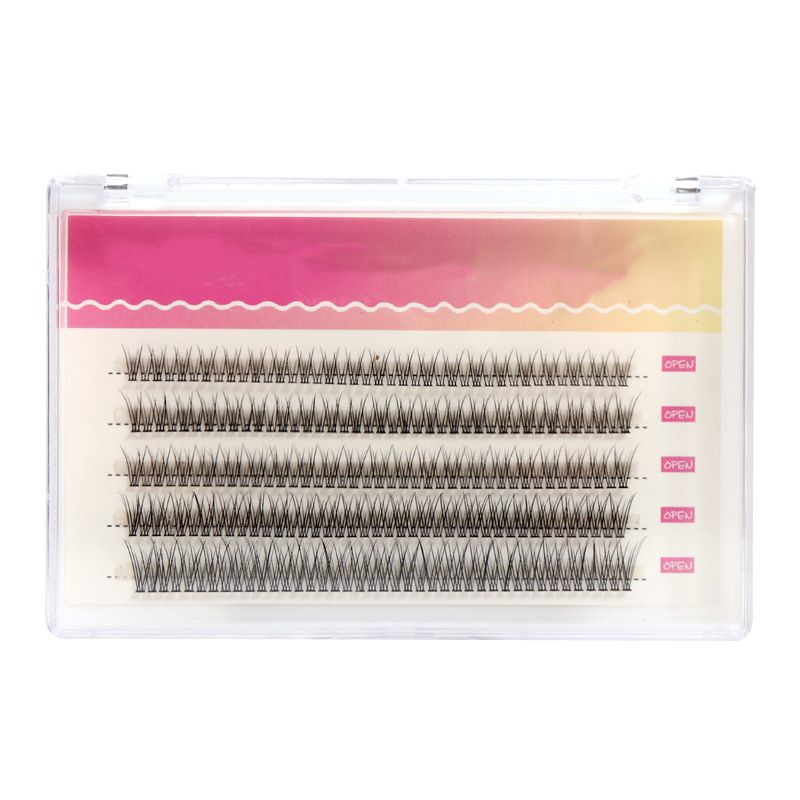
Labeling: Transparency for Consumers
Clear, standardized labeling is another focus. All lash products must now include a full list of ingredients (in English and local languages), expiration dates, and safety warnings (e.g., “Not for use by individuals with latex allergies”). Additionally, labels must display a certification mark from an accredited third-party testing body, assuring consumers the product meets the new standards.
Testing Protocols: Rigorous Pre-Market Checks
Before hitting shelves, products must undergo rigorous testing. This includes skin patch tests for irritancy, adhesion strength evaluations, and stability tests under varying temperatures. “We’ve raised the bar,” says James Wilson, GESC’s technical lead. “A product that fails any test—even minor skin irritation—won’t be certified.”
For manufacturers, compliance may mean short-term costs, such as investing in GMP upgrades or third-party testing. However, industry experts predict long-term benefits: enhanced brand trust, reduced liability risks, and access to stricter markets like the EU and North America, where safety regulations are already tight. “Consumers are increasingly prioritizing safety over price,” adds Chen. “Brands that adopt these guidelines will stand out in a crowded market.”
Consumers, too, stand to gain. With clearer labels and certified products, they can make informed choices, reducing the risk of adverse reactions. “I once had a severe eye infection from cheap lashes,” says beauty influencer Mia Rodriguez. “These guidelines give me confidence to try new brands, knowing they’ve been vetted.”
As the lash industry continues to expand—driven by trends like “clean beauty” and sustainable cosmetics—these guidelines mark a pivotal step toward global safety standards. By uniting manufacturers under a common framework, associations are not only protecting consumers but also fostering a more responsible, competitive industry. For brands, the message is clear: safety isn’t just a requirement—it’s a business imperative.


