

Dust-Free Production Environment Control for High-Quality Eyelash Manufacturing
Dust-Free Production: The Key to High-Quality Eyelash Manufacturing
In the competitive eyelash industry, where precision and quality directly impact consumer trust, maintaining a dust-free production environment is not just a standard—it’s a necessity. High-quality eyelashes, whether made from synthetic fibers like PBT or natural materials such as silk, demand pristine conditions to ensure safety, aesthetics, and performance. Dust ps, even as small as 0.5 microns, can compromise product integrity, leading to issues like fiber clumping, reduced luster, or even irritation for end-users. This explores the critical role of dust-free environment control in eyelash manufacturing and actionable strategies to achieve it.
First, understanding the risks of dust contamination is foundational. Eyelash fibers are ultra-fine, with diameters often ranging from 0.05mm to 0.1mm. Dust ps adhering to these fibers can create uneven surfaces, affecting the lash’s natural curve or causing gaps in the final product. For natural lash extensions, dust may also introduce bacteria, posing health risks. Thus, controlling airborne ps is paramount to meeting both safety regulations (such as FDA or EU cosmetic standards) and customer expectations for flawless, comfortable lashes.
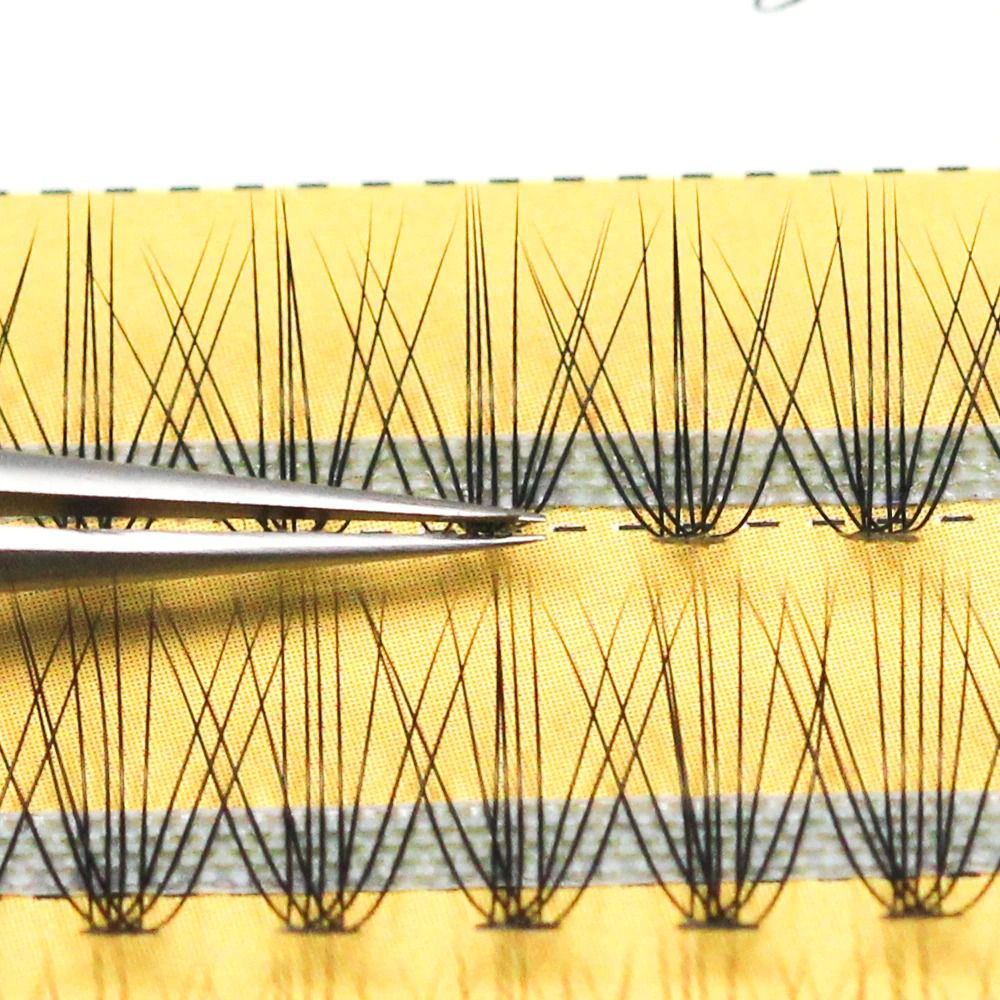
Central to dust-free control is air purification. Eyelash production facilities typically adopt cleanroom standards, with ISO 14644 classification guiding air cleanliness levels. For core manufacturing steps—like fiber cutting, shaping, and bonding—a Class 7 cleanroom (fewer than 352,000 ps ≥0.5μm per cubic meter) is ideal, while packaging areas may use Class 8. High-efficiency particulate air (HEPA) filters, combined with laminar airflow systems, ensure consistent air circulation, pushing contaminants away from workstations. Regular filter replacement (every 6–12 months) and airflow velocity checks (maintained at 0.4–0.6 m/s) are critical to sustained performance.
Human factors also play a significant role. Staff in production areas must wear lint-free gowns, hairnets, and shoe covers to minimize shedding. Entry points should include air showers to remove loose ps before personnel enter clean zones. Additionally, limiting movement within the cleanroom—such as designated pathways and restricted access—reduces air turbulence, which can stir up settled dust. Training programs emphasizing hygiene practices, like avoiding touching the face or work surfaces, further mitigate contamination risks.
Equipment and material management are equally vital. Production machinery, from fiber spoolers to lash applicators, should feature sealed components to prevent lubricant or debris leakage. Surfaces, including workbenches and floors, must be non-porous (e.g., stainless steel) and cleaned daily with anti-static solutions to avoid dust accumulation. Raw materials, such as lash fibers or adhesives, should be stored in airtight containers and inspected for dust before use. Even packaging materials, like trays or boxes, need pre-cleaning to ensure they don’t introduce contaminants post-production.

Advanced monitoring technologies enhance control. Real-time p counters track airborne contaminants, triggering alerts if levels exceed thresholds. IoT sensors can also monitor temperature (ideally 20–24°C) and humidity (40–60%), as extreme conditions can cause fiber static or adhesive degradation—both of which attract dust. Some manufacturers now integrate AI-driven systems to predict filter clogging or airflow disruptions, allowing proactive maintenance and reducing downtime.
The payoff of rigorous dust-free control is clear: higher-quality lashes with consistent appearance, improved durability, and reduced returns. For brands, this translates to stronger market positioning, as consumers increasingly prioritize safety and craftsmanship. By investing in cleanroom infrastructure, staff training, and monitoring tools, eyelash manufacturers not only meet regulatory requirements but also build trust with clients who demand excellence.
In summary, dust-free production environment control is the backbone of premium eyelash manufacturing. It requires a holistic approach—combining air purification, human protocols, equipment care, and technology—to ensure every lash meets the highest standards of quality and safety. As the industry evolves, those who master this control will lead the way in delivering products that stand out in a crowded market.


