

Development of Ultra-Fine Synthetic Lash Fibers with Natural Touch
Ultra-Fine Synthetic Lash Fibers: Innovations in Natural-Touch Development
The demand for false lashes has surged in recent years, driven by consumers’ growing pursuit of natural, everyday makeup looks. However, traditional synthetic lash fibers often fall short—they can feel stiff, look artificial, or irritate the eyes, limiting their appeal. In response, the lash industry has turned to the development of ultra-fine synthetic lash fibers, a technological leap that prioritizes both realism and comfort.
Ultra-fine synthetic lash fibers are defined by their exceptionally small diameter, typically ranging from 0.03mm to 0.07mm—far thinner than conventional synthetic fibers (which often measure 0.1mm or more). This reduction in thickness is not merely a numerical change; it transforms the fiber’s mechanical properties. Thinner fibers are more flexible, mimicking the natural movement of human lashes. When applied, they drape softly along the lash line, avoiding the rigid, “stuck-on” appearance that plagues bulkier alternatives.
Central to this development is material innovation. Early synthetic lashes relied on standard polymers like nylon or basic polyester, which lacked the subtlety needed for a natural touch. Today’s ultra-fine fibers use advanced modified polymers, such as low-melt point PBT (polybutylene terephthalate) or PE (polyethylene) blends. These materials are engineered to balance strength and softness: they resist breakage during application and wear, yet remain pliable enough to move with the user’s natural lashes. Some manufacturers have even introduced biodegradable additives, aligning with the industry’s shift toward sustainability without compromising performance.

Another key breakthrough is surface treatment technology. Natural lashes have a slight, irregular texture that scatters light, giving them a soft, matte finish. Ultra-fine synthetic fibers now undergo precision surface etching or coating processes to replicate this texture. Microscopic grooves or a thin, silicone-based layer are applied to the fiber surface, reducing light reflection and creating a more lifelike appearance. This treatment also enhances comfort by minimizing friction between the synthetic fibers and the user’s skin or natural lashes, reducing irritation during extended wear.
Production processes have also been refined to support ultra-fine fiber development. Traditional melt-spinning methods often struggled to produce consistently thin fibers, leading to uneven thickness and weak spots. Modern facilities now use computer-controlled spinning machines with precision nozzles, allowing for exact diameter control. Temperature and humidity are tightly regulated during production to prevent fiber warping, ensuring each strand maintains its intended flexibility and shape. Post-production quality checks, including automated thickness measurements and flexibility tests, further guarantee uniformity—a critical factor for achieving a natural look, as uneven fibers can create a clumpy or disjointed effect.
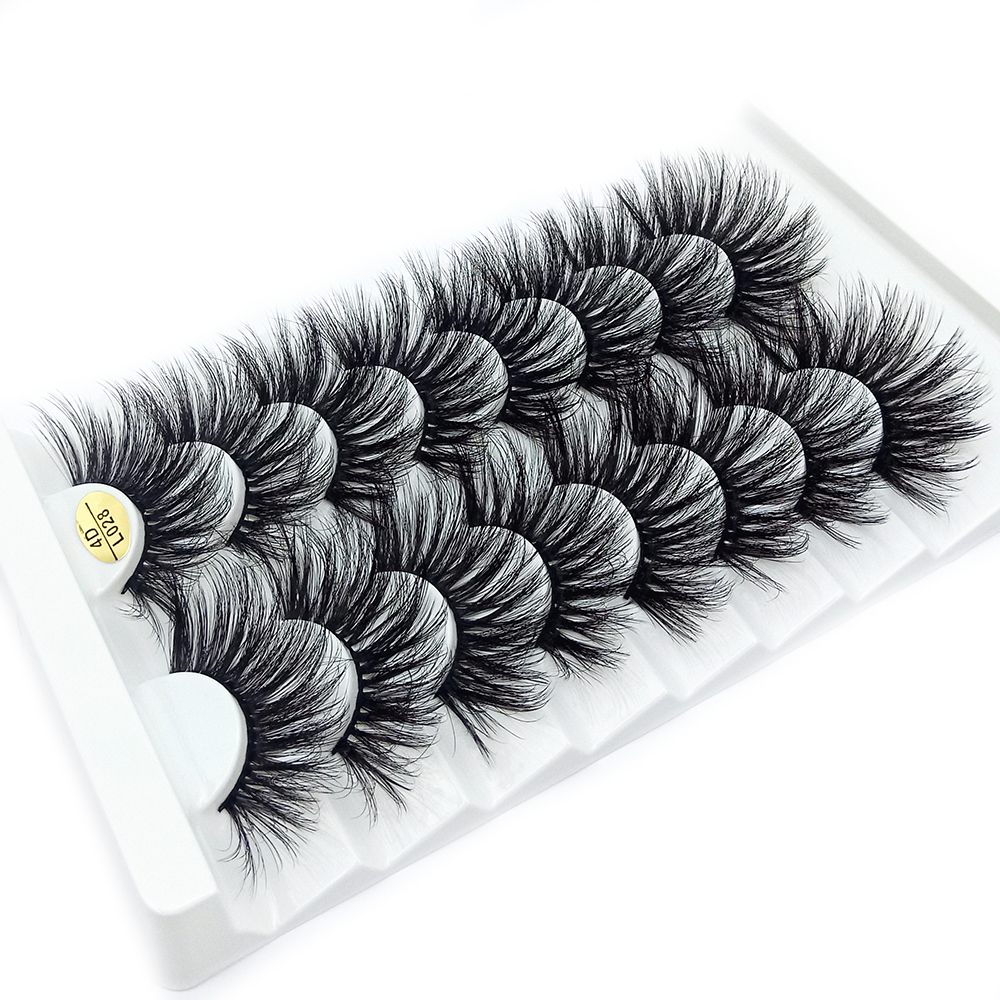
The impact of ultra-fine synthetic lash fibers on the market is already evident. Brands incorporating these fibers report higher customer satisfaction, with reviews highlighting “featherlight feel” and “indistinguishable from natural lashes.” Consumer surveys indicate that over 60% of lash buyers now prioritize “natural appearance” as a top factor, a trend directly addressed by ultra-fine fiber technology. Moreover, the versatility of these fibers—they can be used in everything from subtle everyday lashes to dramatic, voluminous styles—expands their appeal across diverse consumer segments.
Looking ahead, the development of ultra-fine synthetic lash fibers is poised to continue evolving. Research is underway to integrate smart materials, such as fibers with temperature-responsive flexibility, which could adapt to different climates for year-round comfort. Additionally, advancements in 3D printing may allow for even more precise fiber placement, creating lashes that mimic the natural growth pattern of individual lashes. As consumer expectations for realism and comfort rise, ultra-fine synthetic lash fibers will remain at the forefront of innovation, redefining what “natural touch” means in the lash industry.


