

False Eyelash Exports From China Maintain Steady Growth Worldwide
China’s False Eyelash Exports: Sustained Growth Fueling Global Beauty Demand
In recent years, China’s false eyelash exports have emerged as a standout in the global beauty industry, maintaining steady growth despite economic fluctuations. According to customs data, China’s false eyelash exports reached $1.2 billion in 2023, marking a 12% year-on-year increase, with shipments spanning over 150 countries. This growth trajectory reflects not only China’s manufacturing prowess but also its ability to adapt to evolving global consumer preferences.
A key driver behind this expansion is China’s robust supply chain. As the world’s largest producer of false eyelashes, Chinese manufacturers benefit from integrated production networks—from raw material sourcing (synthetic fibers, mink hair, and increasingly eco-friendly alternatives like biodegradable silk) to advanced production technologies such as 3D printing and automated trimming. This vertical integration allows for cost efficiency and rapid response to market trends, a critical advantage in an industry where style cycles are short.

Global market demand has also played a pivotal role. Post-pandemic, beauty spending has rebounded strongly, with false eyelashes becoming a staple in both daily makeup and special occasions. The U.S. remains the top importer, accounting for 35% of China’s exports, followed by the EU (28%) and Southeast Asia (15%). Notably, emerging markets like Brazil and Nigeria are showing double-digit growth, driven by rising middle-class disposable income and social media influence—platforms like TikTok and Instagram have popularized lash trends, from natural “wispy” styles to dramatic “volume” sets.
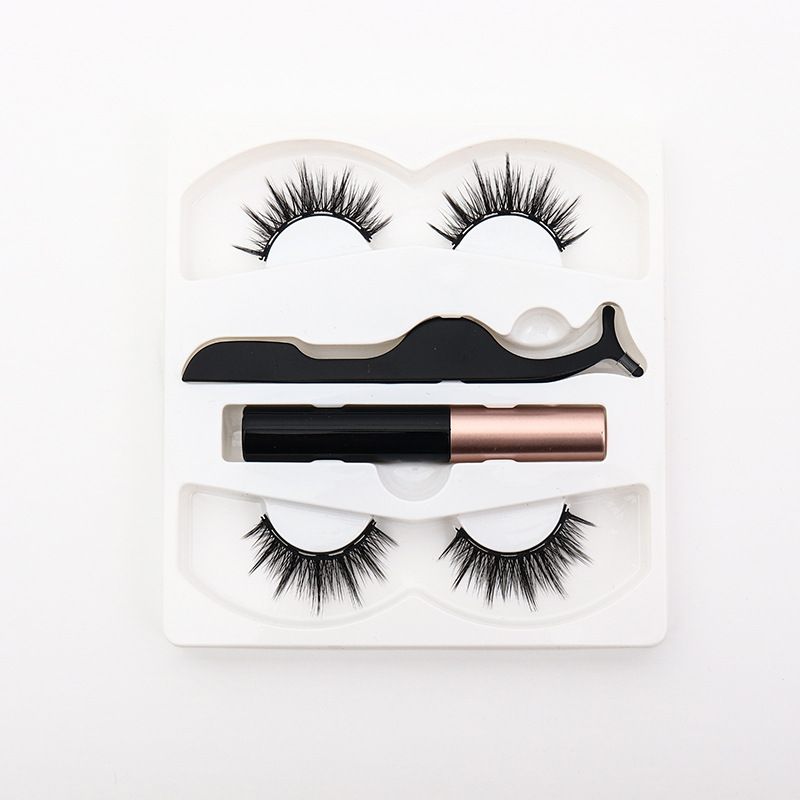
Product innovation is another cornerstone. Chinese exporters have shifted beyond basic synthetic lashes to cater to diverse needs: cruelty-free mink alternatives, reusable magnetic lashes, and customizable designs for professional salons. Brands are also prioritizing sustainability, with 30% of leading manufacturers now offering biodegradable lash bands and recyclable packaging, aligning with global ESG trends.
Challenges persist, however. Trade barriers, such as the EU’s REACH regulations on chemical , and competition from lower-cost producers in Vietnam and India require Chinese exporters to invest in quality control and certification. Additionally, raw material price volatility—particularly for mink hair—has pushed companies to develop synthetic blends that mimic natural textures at lower costs.
Looking ahead, the outlook remains positive. With cross-border e-commerce platforms like Amazon and Alibaba facilitating direct-to-consumer sales, China’s false eyelash exports are poised to grow at a 10-15% CAGR over the next five years. As consumer demand for personalized, sustainable beauty products rises, Chinese manufacturers are well-positioned to lead the global market through innovation and agility.


