

Automated Arrangement Technology for High-Efficiency Lash Assembly Lines
Automated Arrangement Technology: Transforming Efficiency in Lash Assembly Lines
The global false lash industry is booming, driven by rising demand for beauty products and evolving consumer preferences for intricate, natural-looking designs. However, traditional lash production has long grappled with inefficiencies: manual arrangement of lash fibers, a labor-intensive process prone to human error, has limited scalability and consistency. Enter automated arrangement technology—a game-changer reshaping high-efficiency lash assembly lines.
At its core, automated arrangement technology integrates advanced machine vision, AI algorithms, and precision robotics to streamline the lash fiber placement process. Unlike manual methods, which rely on skilled workers to align individual fibers by hand (a task that can take 20–30 minutes per lash strip), automated systems use high-resolution cameras to scan lash fibers, capturing data on length, curl, and thickness. AI then analyzes this data to optimize fiber arrangement patterns, ensuring uniformity in density and symmetry—critical for achieving the natural, voluminous look consumers crave.
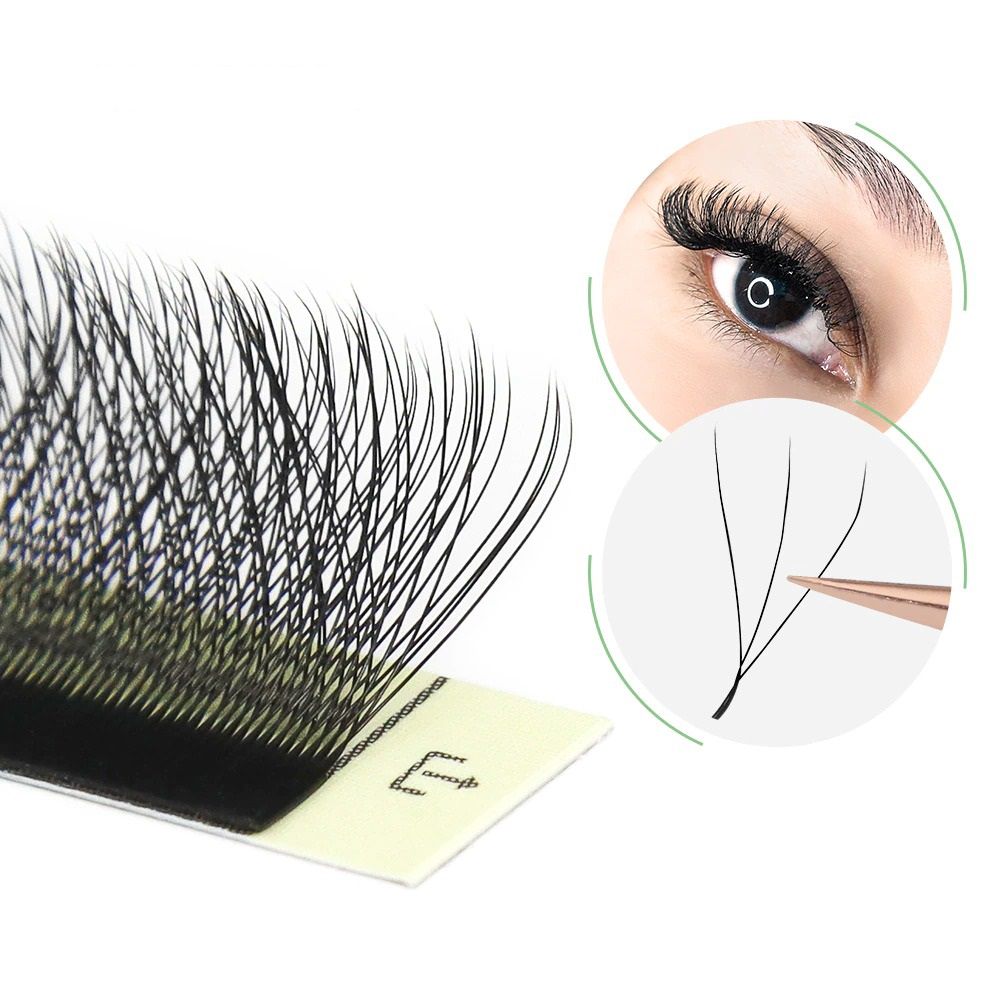
The efficiency gains are striking. Leading manufacturers report that automated lines can produce up to 3,000 lash strips per hour, a 300% increase compared to manual production. This leap is not just about speed: the technology minimizes human error, reducing次品 rates from 15–20% to under 5%. For example, a case study from a major lash producer in China showed that after adopting automated arrangement systems, their monthly output rose by 50%, while labor costs dropped by 40%—a compelling ROI for businesses scaling operations.
Beyond efficiency, the technology enhances design flexibility. AI-driven software allows for quick adjustments to lash styles, from dramatic cat-eye shapes to subtle wispy looks, without retooling production lines. This agility is key in an industry where trends shift rapidly; brands can now launch new designs in weeks instead of months, staying ahead of market demands.
Looking ahead, the integration of IoT (Internet of Things) and big data will further elevate automated lash assembly. Real-time monitoring of machine performance will predict maintenance needs, reducing downtime, while data analytics will refine fiber arrangement algorithms based on consumer feedback, creating hyper-personalized lash products. As sustainability becomes a priority, automated systems also minimize material waste by optimizing fiber usage, aligning with eco-conscious manufacturing goals.
In a competitive market, automated arrangement technology is no longer a luxury but a necessity. It empowers manufacturers to meet growing demand, maintain quality, and innovate faster—ultimately delivering better products to consumers while boosting profitability. For lash producers aiming to lead in the global beauty industry, investing in this technology is the first step toward a more efficient, resilient future.


